Bathroom sink and faucet installation in a Puyallup home involves selecting the right sink configuration for the vanity, coordinating the faucet trim to the countertop faucet hole layout, and making the plumbing connections correctly to prevent leaks. While these appear to be straightforward replacements, the range of sink types, drain configurations, and supply connection requirements makes proper planning important.
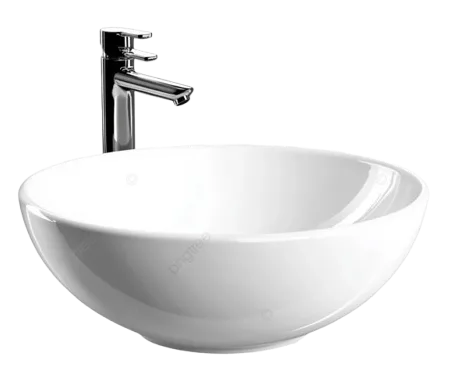
Bathroom sink and faucet installation in a Puyallup home involves selecting the right sink configuration for the vanity, coordinating the faucet trim to the countertop faucet hole layout, and making the plumbing connections correctly to prevent leaks. While these appear to be straightforward replacements, the range of sink types, drain configurations, and supply connection requirements makes proper planning important.
Supply line age and shut-off valve condition are also worth evaluating during a sink replacement. Older Puyallup homes may have original multi-turn shut-off valves beneath the vanity that have not been operated in years. Opening and closing these valves during the replacement work is a practical opportunity to identify any that have become unreliable.
This service is part of our complete bathroom services we provide throughout Puyallup and Pierce County WA. Call (253) 765-4253 to discuss your project.
Every project includes comprehensive craftsmanship, premium waterproofing, and dedicated management from start to finish.
Every bathroom sinks & faucets project follows a clear process to protect your home and deliver a quality result.
Existing sink, faucet, drain configuration, and supply lines are evaluated. Shut-off valve condition is noted.
Sink type and faucet configuration are confirmed. Faucet hole count and spread dimension must match the selected sink or countertop cutout.
Existing sink and faucet are disconnected and removed. Drain and supply lines are removed.
New sink is set and secured. Faucet is installed through the appropriate holes. Drain assembly is connected.
Supply lines are connected to shut-off valves. Drain P-trap is configured and connected. All connections are tested under pressure.
Water is run through the faucet, drain flow is confirmed, and the area beneath the vanity is inspected for any leaks.
Contact us to discuss your project, review your goals, and establish an accurate scope based on your bathroom conditions.
A drop-in sink rests on the countertop surface with a visible rim. An undermount sink is mounted below the countertop, leaving the countertop surface exposed to the sink edge. Undermount sinks are easier to wipe clean since there is no rim to trap water. They require a countertop material that exposes a finished edge at the cutout.
Yes, if the existing countertop can accommodate a drain cutout of the correct size and if the countertop height with the vessel sink on top produces a comfortable working height. Vessel sinks add to the effective countertop height, so vanity cabinet height matters more when using them.
A consistent finish — brushed nickel, matte black, polished chrome, or oil-rubbed bronze — across the faucet, towel bars, toilet flush lever, and shower fixtures produces a coordinated look. Matching all fixtures to one finish family is a practical guideline.
Yes, and it is a reasonable practice, particularly in older Puyallup homes where original valves have not been operated in many years. Replacing quarter-turn ball valves ensures reliable shut-off capability for any future sink maintenance.
A standard sink and faucet swap in an existing vanity typically takes a few hours to one day, depending on whether additional plumbing work such as valve replacement or drain reconfiguration is needed.